logo

From Stainless Steel to Galvanized Steel: Application Differences of Fly Shear Blades Across Materials

November 11, 2020

últimas noticias de la compañía sobre From Stainless Steel to Galvanized Steel: Application Differences of Fly Shear Blades Across Materials


Market Background: Material Diversity in Steel Processing

In modern steel processing industries, materials such as stainless steel, carbon steel, and galvanized steel are widely used in applications including roll forming, tube production, and cut-to-length lines. These materials differ in surface condition, mechanical properties, and thickness, which directly affect cutting performance.

In continuous production environments, flying shear systems are used to cut moving materials without stopping the line. Under such conditions, maintaining cutting stability across different materials becomes a technical challenge.

As a result, the selection of fly shear blades must consider material-specific cutting conditions to ensure consistent performance in industrial applications.


Cutting Challenges Across Different Materials

Stainless Steel Cutting

Stainless steel is characterized by higher strength and work hardening behavior. During flying shear cutting, this may result in:


Galvanized Steel Cutting

Galvanized steel features a coated surface layer. During cutting, the coating can influence the interaction between the blade and the material.

Typical issues include:


Carbon Steel Processing

Carbon steel is commonly used in high-speed production lines. In continuous cutting conditions, the focus is on:


Key Factors in Fly Shear Blade Selection

Blade Material and Heat Treatment

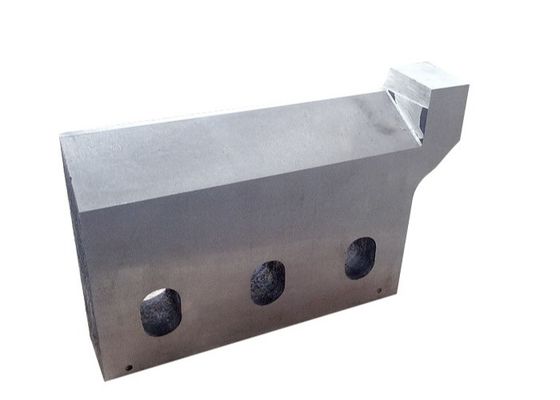
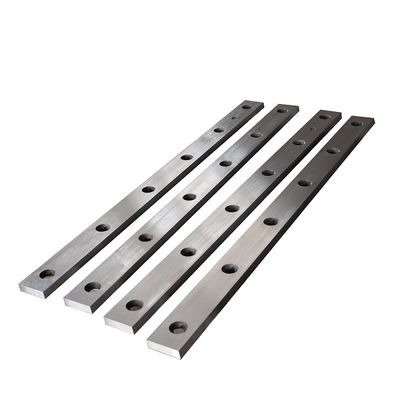
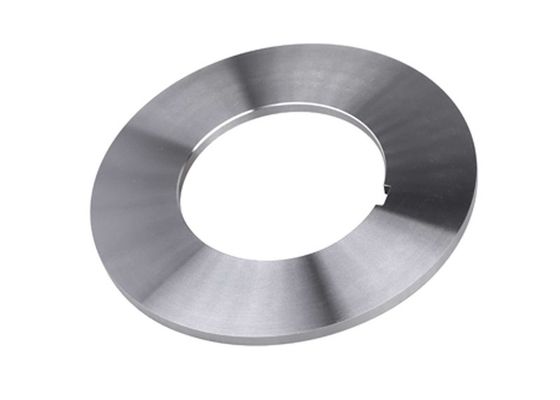
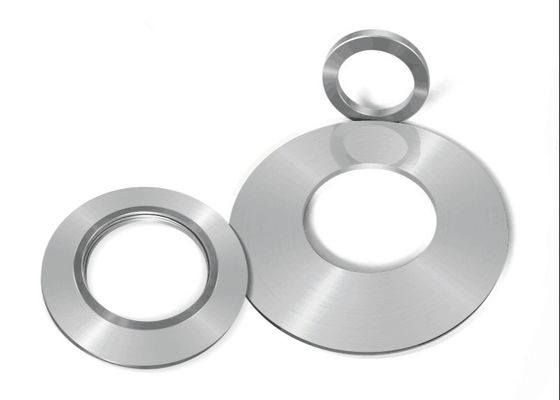
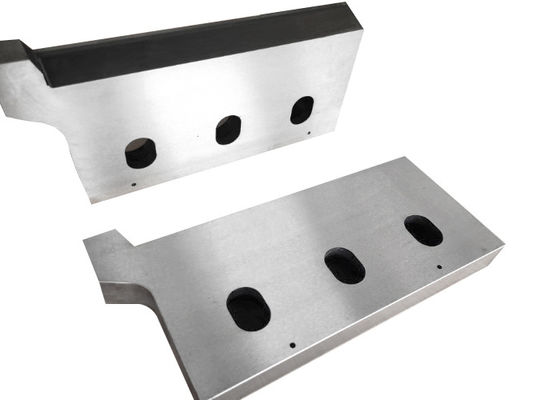
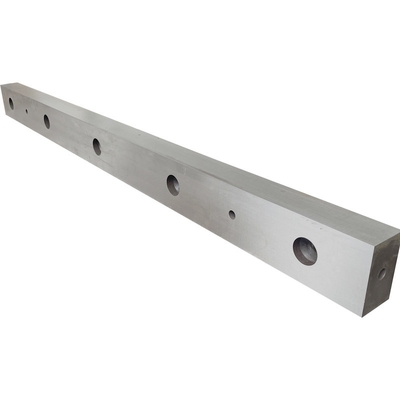
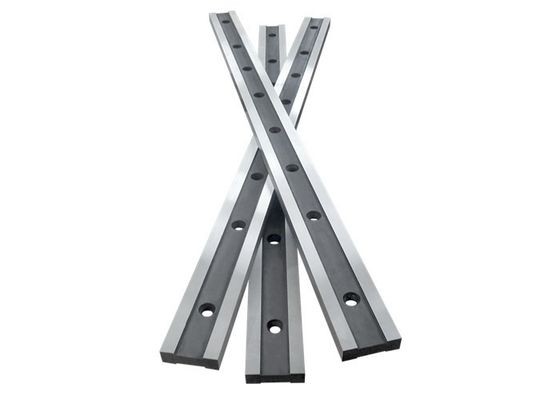
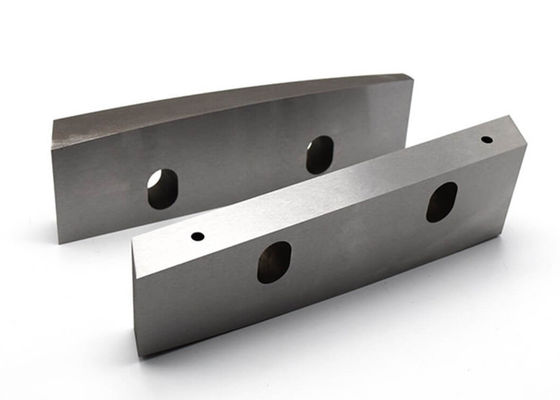
Fly shear blades are commonly manufactured using tool steels with controlled heat treatment processes. This allows the blade to maintain a balance between hardness and toughness under dynamic cutting conditions.


Dimensional Accuracy and Edge Geometry

Precision manufacturing and edge grinding processes are used to control blade geometry. Consistent edge shape helps maintain stable cutting clearance during operation.


Application Matching

Different materials require different cutting conditions. Matching blade design with:

is essential for stable operation.


Industry Insight: Material-Specific Blade Selection

In modern steel processing lines, manufacturers are increasingly focusing on material-specific blade selection. Instead of using a single blade type across all applications, different blade configurations are selected based on material properties and production requirements.

This approach supports stable cutting conditions in continuous production environments.


Conclusion

In flying shear applications, material properties play a critical role in cutting performance. Stainless steel, galvanized steel, and carbon steel each require specific considerations in blade selection.

By selecting fly shear blades based on material characteristics, heat treatment control, and precision manufacturing, manufacturers can maintain stable cutting performance in continuous production lines.

Póngase en contacto con nosotros
Persona de Contacto : Mr. Bob Zhang - Export-Sales Manager
Teléfono : 8615026682114
Fax : 86-0510-83632182
Caracteres restantes(20/3000)